
Common Foot Problems in Pickleball: Causes, Prevention & Treatment Guide for UK Players
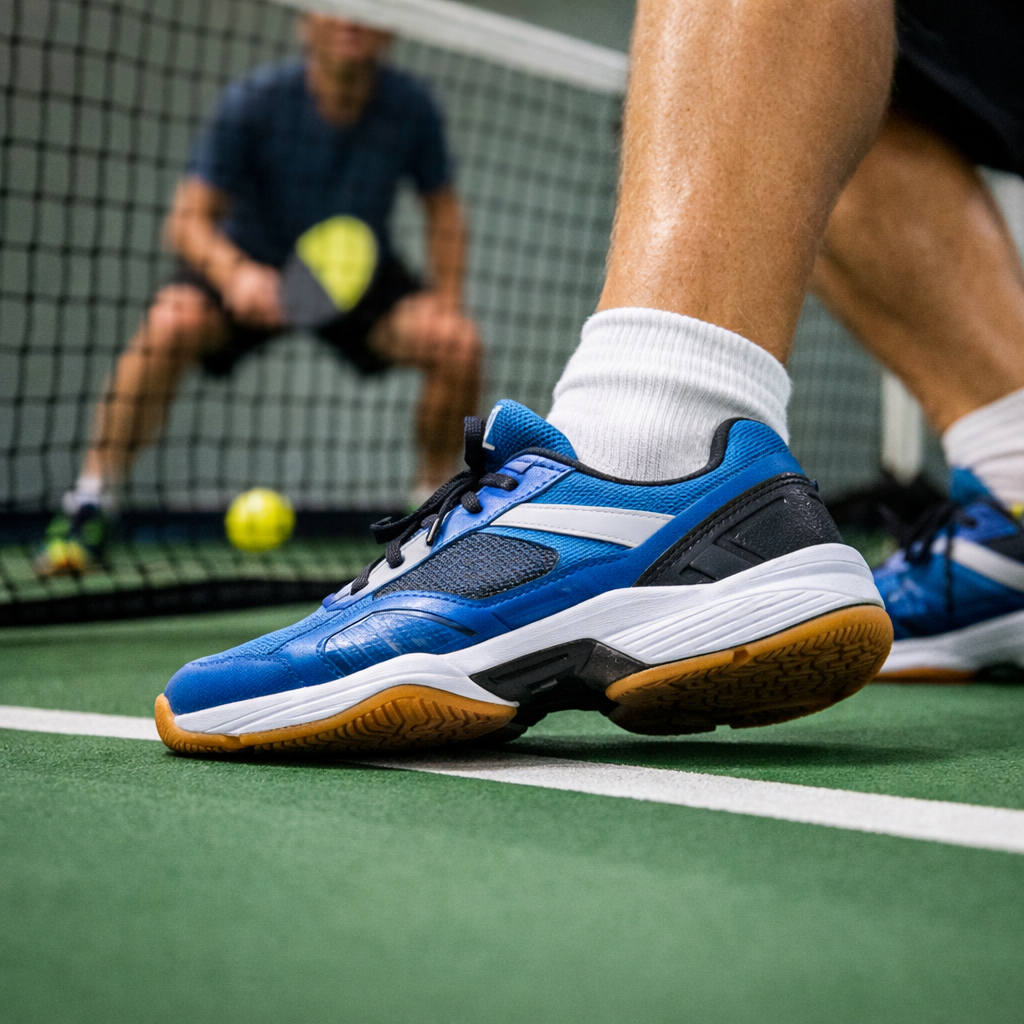
It’s the next day that catches people out
Pickleball rarely hurts while you’re playing. The rallies are short, the court is compact, and everything feels manageable. It’s later—once you’ve cooled down and get up again—that something feels off: a tight heel, a sore forefoot, a stiffness that lingers longer than expected.
A fast-growing paddle sport that blends elements of tennis, badminton and table tennis, pickleball is easy to pick up and highly social. But the same smaller court and quick exchanges that make it so accessible also mean your feet are working hard throughout every game.
As more people across Warwickshire, Northamptonshire and Oxfordshire take up pickleball, these low-level foot problems are becoming increasingly common—not usually because of one dramatic injury, but because of repeated strain building up over time.
Why pickleball can lead to foot pain
Pickleball doesn’t feel demanding in the moment—but your feet tell a different story.
Instead of long runs, the game is built on constant micro-adjustments:
- quick side-to-side shuffles
- short bursts forward to the net
- repeated stops and changes of direction
All of this happens on firm court surfaces, often in shoes that aren’t designed for lateral movement.
The result is repeated loading through the same areas of the foot—particularly the heel, arch and forefoot. It’s not usually one movement that causes a problem, but the accumulation of hundreds of them over a session… and then repeated again the next time you play.
Common foot problems in pickleball

Most pickleball foot injuries don’t come from a single incident—they build gradually.
Plantar fasciitis
A sharp or aching pain under the heel, often worse with the first steps of the day. Repeated push-offs and sudden stops place strain through the arch over time.
Achilles tendon irritation
Tightness or soreness at the back of the ankle. The stop-start nature of pickleball keeps the tendon under constant tension.
Forefoot pain (metatarsalgia)
A burning or bruised sensation under the ball of the foot. Often linked to time spent on the toes during rallies and quick forward movement.
Blisters
Usually caused by friction when footwear doesn’t stabilise the foot properly during lateral movement.
Toenail problems
Pressure from sudden stops and tight footwear can lead to bruising or ingrown nails.
How playing habits quietly change
One of the biggest contributors to foot pain in pickleball isn’t technique—it’s frequency.
What starts as a weekly session can quickly turn into two or three once you meet other players and find more opportunities to get on court. That shift is often helped by platforms such as PicklePals, where players can find local sessions, join clubs, and organise games.
👉 https://www.picklepalsapp.com
From a podiatry point of view, this is where problems often begin. The increase in playing time feels gradual—but for your feet, it’s a significant jump in load.
Learning the game—and pushing a little further
As confidence builds, players naturally start refining their understanding of the game—scoring, positioning, and doubles tactics.
That learning process often comes from a mix of experience and reading up on the sport. Resources like https://www.picklepalsapp.com/blog offer practical guides on pickleball basics, strategy, and progression.
The catch? Improvement usually goes hand in hand with playing more often—and often at a higher intensity—again increasing the demands on your feet.
Early warning signs to watch for
Foot problems rarely appear out of nowhere. There’s usually a gradual build-up:
- Heel pain when getting out of bed
- A dull ache after playing
- Tenderness in specific areas
- Stiffness in the ankle or arch
- Repeated irritation in the same spot
These are early signals that your feet are under more strain than they can comfortably handle.
How to reduce your risk
Small adjustments can make a big difference:
Wear court-specific shoes
Shoes designed for lateral movement provide better support than running trainers.
Build your playing time gradually
Avoid sudden jumps in frequency.
Warm up properly
Prepare your calves, ankles, and feet before playing.
Pay attention to recovery
If discomfort lingers into the next day, it’s worth adjusting your load.
Replace worn footwear
Support reduces over time.
Keep on top of foot care
Basic nail and skin care helps prevent avoidable issues.
When should you see a podiatrist?
If something doesn’t settle, it’s worth getting it checked.
You don’t need severe pain—just something that:
- persists
- worsens
- affects how you move
- keeps coming back
How a podiatrist can help
At Health First Southam, the focus is on understanding why the problem has developed.
This may include:
- assessing foot movement and loading patterns
- identifying pressure points or imbalances
- advising on footwear for pickleball
- treating skin and nail conditions
- supporting recovery from soft tissue injuries
- recommending orthotics where appropriate
Patients travel from across Warwickshire, Northamptonshire and Oxfordshire for this kind of targeted assessment.
Getting back to playing comfortably
If foot pain is starting to affect your game—or simply not improving—it’s worth addressing it early.
👉 https://www.healthfirstsoutham.co.uk/book-appointment
Final thoughts
Pickleball is easy to get into—and that’s exactly why foot problems can creep in unnoticed.
Most issues aren’t the result of a single moment, but of gradual overload. With the right awareness, a sensible progression in playing time, and early action when needed, you can keep playing comfortably and avoid longer-term problems.
FAQs
What foot problems are common in pickleball?
Plantar fasciitis, Achilles tendon irritation, forefoot pain, blisters, and toenail issues are commonly seen.
Why does pickleball cause foot pain?
Frequent direction changes, quick stops, and repeated impact place stress on the feet.
Can beginners get foot pain from pickleball?
Yes, especially if playing frequency increases quickly or footwear isn’t suitable.
When should I see a podiatrist?
If pain persists, worsens, or affects movement, it’s best to seek advice early.
Can pickleball injuries be prevented?
Often yes—through proper footwear, gradual progression, and early management.